The Best Content From Our Video Shoot Wasn't the Video
We went into the studio to shoot video.
We had the cameras, lights, LED wall, scripts, equipment and team. Everything you would expect from a professional video shoot.
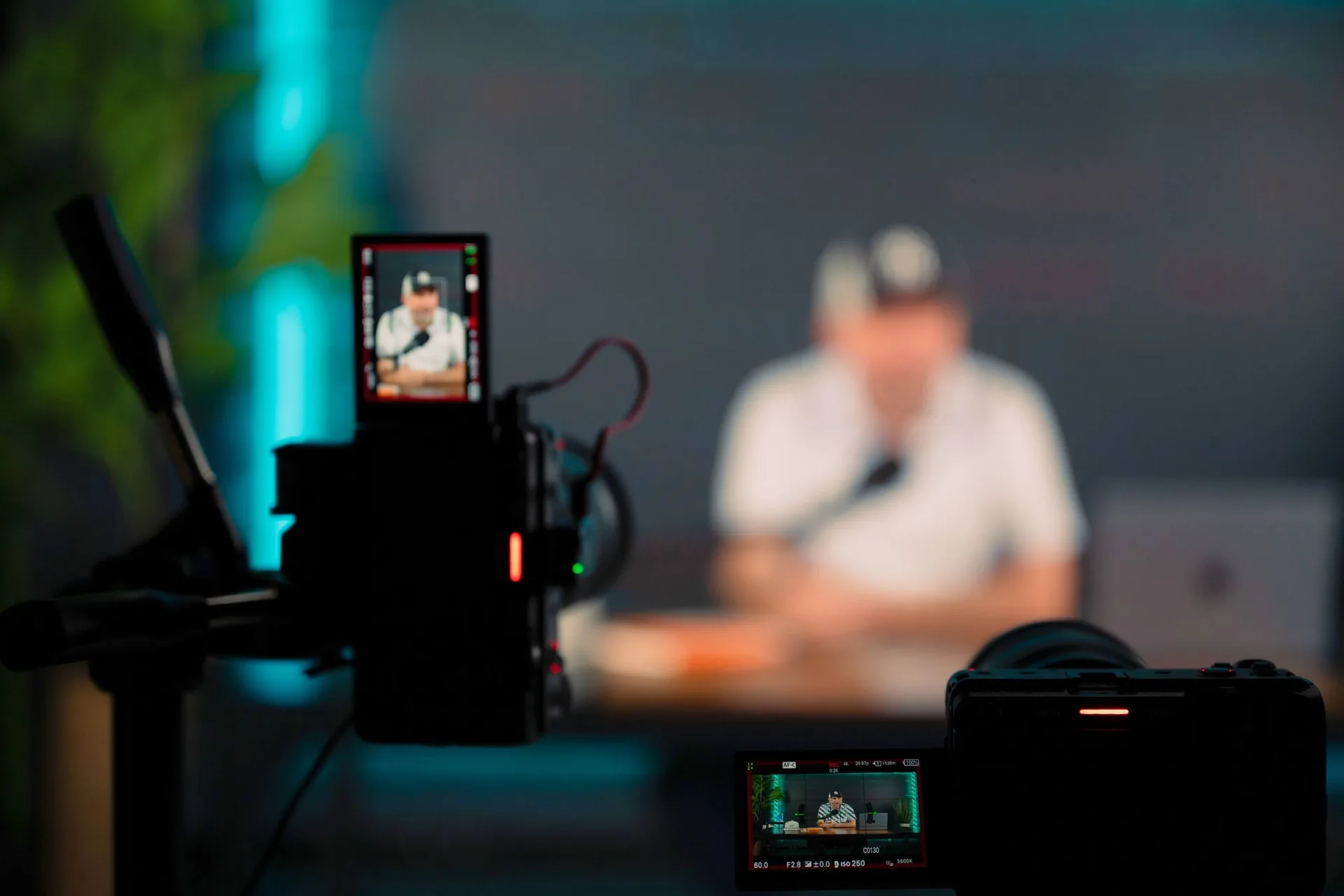
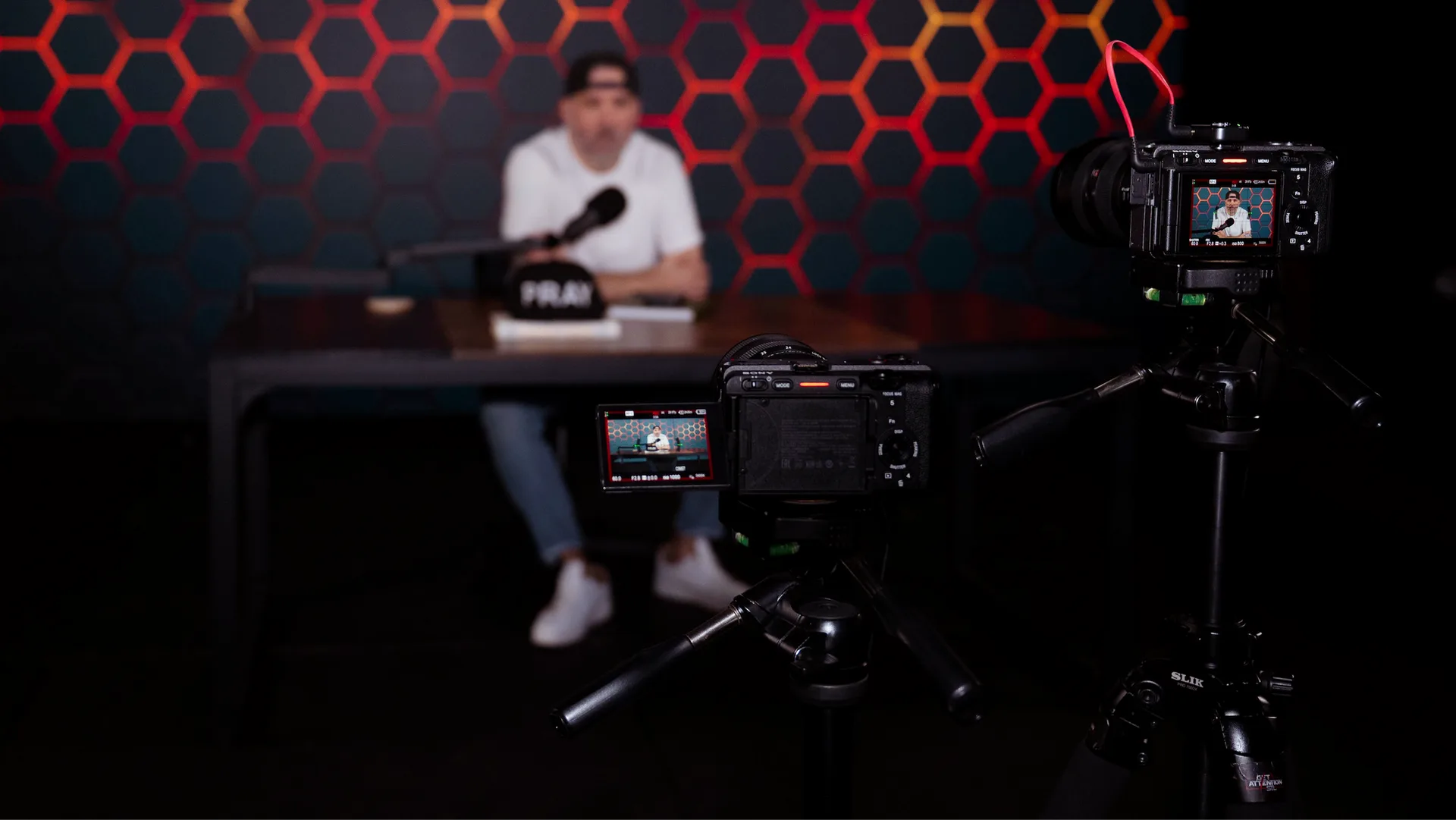
While everyone was focused on creating what we came there to create, I found myself photographing everything happening around it: cameras being set up, lights being adjusted, someone watching a monitor, conversations between takes, equipment scattered around the studio, and the moments when everyone was working and nobody was thinking about having their picture taken.
At first, I was just documenting the day. Then I realized something.
This was the content too.
Maybe some of the most important content we were creating.
The finished videos would show people what Cracked Egg Creative does. Everything happening behind the camera showed something different: the work it takes to build it.
And I think brands need to show more of that.
We're Obsessed With the Finished Product
Think about how most businesses approach content. A restaurant photographs the finished plate. A contractor photographs the finished kitchen. A manufacturer photographs the finished product. An agency shares the finished campaign. A company launches a new website and posts a screenshot of the homepage.
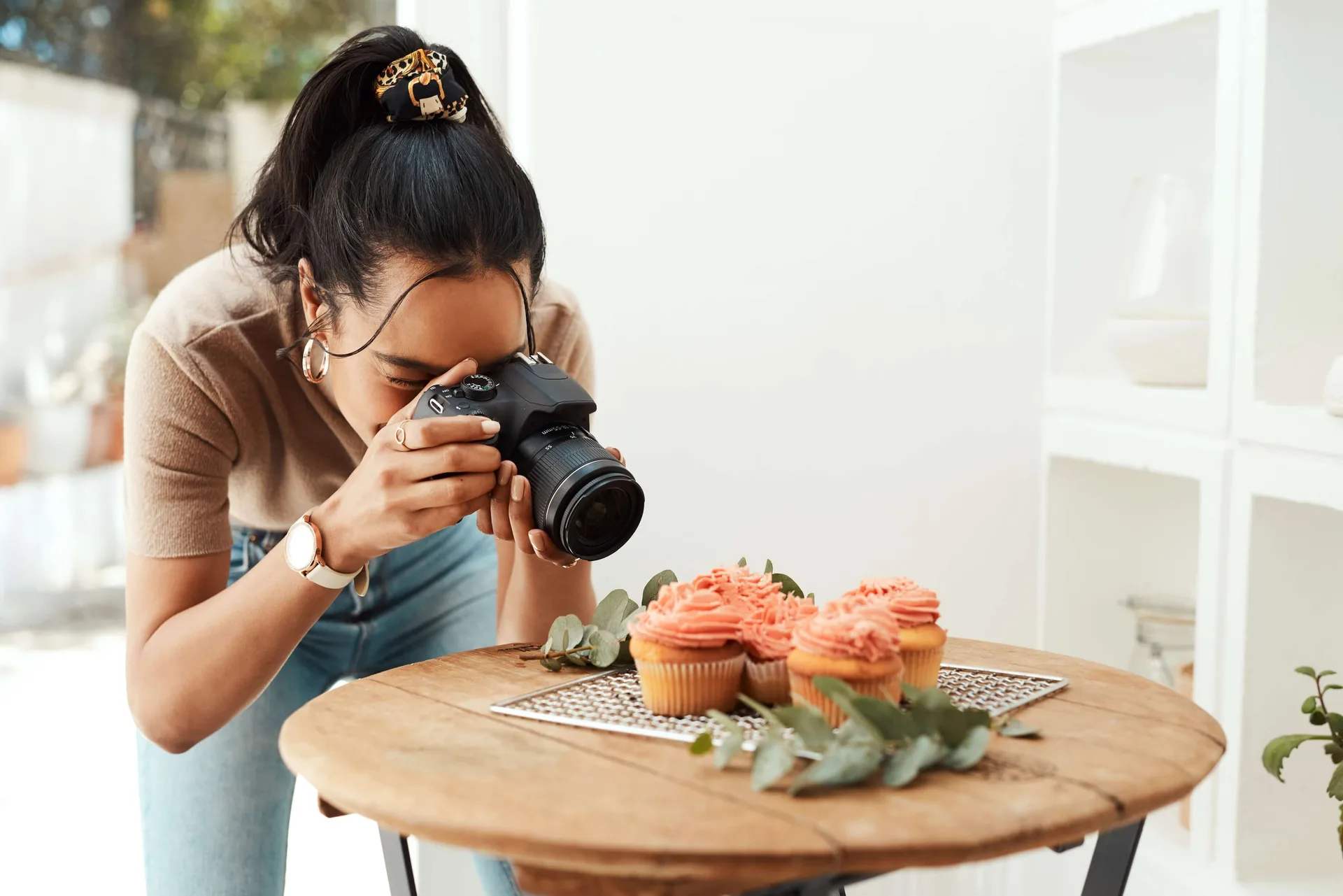
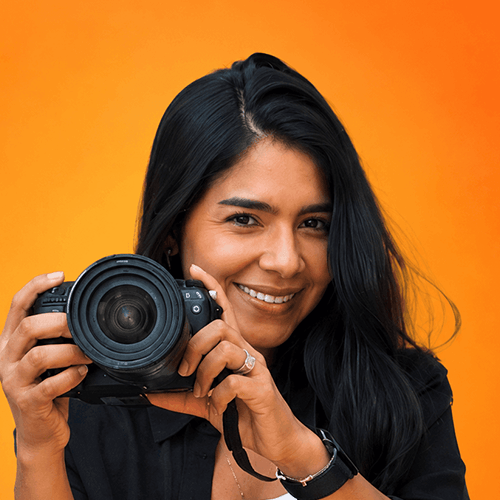
We naturally want people to see the best version of what we've created. I understand that instinct. I'm a photographer. I care deeply about lighting, composition, focus, movement, color and the details that make a finished image work.
I want the final work to be beautiful. But sometimes we polish away the most interesting part of the story.
How did it get there?
There is a chef behind that plate, a crew behind that kitchen and people behind that product. There were ideas, conversations, mistakes and changes behind that campaign.
There is always a story behind the finished product. And the evidence suggests people increasingly value content that feels relevant, authentic and human.
Google and IAB research involving more than 2,000 consumers found that 39% were watching more creator-produced content than they had a year earlier, compared with 22% watching more studio-produced content. The research also found that viewers increasingly define quality through personal relevance, authenticity and relatability, not production value alone. Source: Google/IAB
TikTok's 2026 trend forecast points in the same direction, describing audiences as seeking honesty, community, shared experiences, behind-the-scenes moments, real processes and real people rather than curated perfection. Source: TikTok What's Next 2026
That's interesting to me because the answer isn't to stop creating beautiful work.
It's to stop assuming beautiful is the only thing worth showing.
People Connect With People
We've spent years making brands look perfect: perfect photography, perfect offices, perfect employees and perfect videos. Everyone looking at the camera. Everyone smiling. Everything exactly where it's supposed to be.
There's nothing inherently wrong with polished content. Professional quality matters, especially when you're asking someone to trust your company. But polished shouldn't mean manufactured.
People connect with effort, personality, stories and moments that feel familiar because they recognize something human in them.
Google's research into video quality reinforces that distinction. In a study of 2,000 video viewers, 89% said high-quality content needs to deliver on both a technical and an emotional level. Source: Think with Google
I love that finding because it rejects the idea that brands have to choose between professional or authentic, beautiful or real, produced or human.
Why can't it be both?
That's the kind of content I'm interested in creating.
What I Saw Behind the Camera
During our shoot, there were moments I could have easily ignored: someone adjusting a light, a camera in the foreground with the LED wall glowing behind it, someone concentrating on what was happening on set, the team talking through what we wanted to change, and a moment between takes when nobody was performing.
From a traditional production standpoint, none of that was the product. The videos were the product.
From a storytelling standpoint, those moments told you something the finished videos couldn't. They showed care, preparation, collaboration, personality and the fact that creating something good takes work.
That matters to me because we're building Cracked Egg too. We're doing the same thing we ask our clients to do: creating, experimenting, making decisions, changing things and figuring out what works.
Building the brand is part of the brand.
Don't Be Afraid to Show the Work
There's a phrase I keep coming back to after that shoot: don't be afraid to show the work.
Businesses sometimes act like customers should only see them once everything is finished. Don't show the construction. Show the grand opening. Don't show the kitchen. Show the meal. Don't show the camera crew. Show the commercial.
But the process can tell a story the finished product can't.
If craftsmanship matters, show the craftsmanship. If your people are your biggest advantage, show your people. If your process is different, let people see it. If you're building something you're proud of, show what building it actually looks like.
You don't need to manufacture a behind-the-scenes moment either. If someone says, "Okay everyone, pretend you're having a meeting so we can get a candid photo," we've already missed the point.
The moments are happening. You just have to notice them.
My Other Rule of Thirds
As a photographer, I've thought about the rule of thirds for years. It's one of the fundamental principles of composition. Imagine dividing an image into nine sections using two horizontal and two vertical lines. Instead of automatically placing your subject directly in the center, you can use those lines and intersections to create balance, movement and visual interest.
At its core, the traditional rule of thirds makes you think about where you want someone's eye to go.
After our studio shoot, I started thinking about another kind of rule of thirds. Not just where someone's eye goes inside the image, but what we're giving them to see in the first place.
When I'm documenting a brand, there are three parts of the story I don't want to miss:
PRODUCT. PROCESS. PEOPLE.
This isn't a mathematical formula. I'm not suggesting exactly 33.3% of your Instagram feed should fall into each category. There isn't credible evidence supporting a magical content ratio that every brand should follow.
It's simply a way I've started thinking about what we're capturing, and what we might be missing.
1. Product
This is the part almost every brand remembers: the finished video, completed project, food, product, campaign or beautiful final image.
You absolutely need it.
Product creates credibility. It says: Look what we can do.
For many businesses, this is where the majority of their content stops. Scroll through the feed and you see finished projects, products, promotions, offers and testimonials.
There's plenty of evidence of what the company does. But there may be very little evidence of what makes the company itself worth caring about.
2. Process
Process is everything that happened before the finished image: the preparation, tools, equipment, decisions and hands doing the work.
It's the camera being positioned. The light being moved. The chef at the stove. The contractor measuring before making a cut. The designer sketching an idea. The team looking at a monitor and deciding something isn't quite right.
Process creates trust. It says: Look how we do it.
This is where customers get to see the expertise that disappears inside a finished product. A remodeled kitchen doesn't show me how carefully something was measured. A finished meal doesn't show me the chef obsessing over an ingredient. A 60-second video doesn't show me everything that happened before someone pressed record.
The result proves you did it. The process can show me why you're good at it.
3. People
This is the part I think brands underestimate most. Who actually makes all of this happen?
Show them. Not just in headshots. Show them thinking, working, laughing, solving something, talking to a customer and being themselves.
People create connection. They say: Look who you're doing business with.
Businesses spend enormous amounts of time trying to make their brands feel human. Meanwhile, actual humans work there.
Sometimes the answer is that simple.
Try the Rule of Thirds Test
Look at your last 30 pieces of content. Don't worry about exact percentages. Just put each piece into one of three buckets: Product. Process. People.
What do you see?
If you're like a lot of businesses, I'd bet Product wins by a landslide. That's worth thinking about because you may be doing an excellent job showing people what you sell while giving them very little opportunity to understand how you work or who you are.
That's the purpose of my other rule of thirds. It isn't 33% + 33% + 33%.
Don't leave with only one part of the story.
"Our People Are What Make Us Different"
I hear some version of this from businesses all the time: "Our people are what make us different."
Great. Then show them.
Don't bury them on an About page with a headshot taken three years ago. Let customers see them doing what makes them different.
If your chef is incredible, I want to see the chef. If your technicians have decades of experience, I want to see them working. If your team has a ridiculous amount of fun together, I want to see that too. If your founder still walks the floor every morning talking to employees, that's part of the story.
If your creative team will spend twenty minutes adjusting a light because something doesn't look right, show me that.
Those details tell me something about the company. They give me a reason to remember it.
Authentic Doesn't Mean Amateur
Whenever we talk about making content more authentic, there's an important distinction to make.
Authentic doesn't have to mean bad.
A poorly lit phone video isn't automatically authentic because it was shot on a phone. A blurry photo isn't more human because it's blurry. And professional photography doesn't become fake simply because it was professionally created.
There is a huge difference between capturing something intentionally and manufacturing something artificially.
I can think about lighting and still capture a real moment. I can choose an interesting angle without staging someone's reaction. I can create a beautiful composition around people actually doing their jobs. I can use a professional camera, professional lighting and professional editing without turning a real human being into a stock photo.
Real doesn't have to look accidental.
Some of my favorite images are carefully captured moments that were never scripted. The goal isn't to replace quality with authenticity. It's to create quality that still feels human.
Stop Waiting for the Finished Version
This goes beyond photography. Businesses sometimes wait too long to tell their stories because they're waiting for everything to be ready.
We'll show the office when it's finished. We'll talk about the company when we're bigger. We'll start creating content once we have the perfect strategy.
But there is something interesting happening right now. You're building, changing, learning, making something, solving problems and serving customers.
That's a story.
You don't have to expose every internal conversation or turn your business into a reality show. There should still be judgment about what you share.
But don't assume the only parts worth showing are the parts that look finished. Sometimes the unfinished moments are what make the finished result mean something.
We Went to the Studio to Create Content
That was the assignment. We needed videos, and we got them.
But I left with something else too: photos of the cameras, lights, LED wall and team at work. Images that probably wouldn't have been on a traditional shot list.
When I looked back at them, I realized they told a completely different side of the Cracked Egg story.
Not what we sell. Not what we say. What it looks like when we're actually doing the work.
That's something I want to capture more often, for us and for our clients.
The finished product proves what you're capable of creating. The process shows people what goes into it. And the people give them someone to connect with.
The product shows what you do. The process shows how you do it. The people show who you are.
So take the finished photo. Create the polished video. Show the final result.
Just don't put the camera away when you get it.
Sometimes the work is the story.
What Does "Show the Work" Mean in Brand Content?
Showing the work means documenting the real people, processes, decisions and effort behind a company's finished products or services. This can include behind-the-scenes photography, employees doing their jobs, production processes, works in progress, equipment, preparation and candid moments that help audiences understand how the finished result was created.