Soon, “Real” Will Need Receipts

For most of my career, the photograph was the proof.
You could look at an image and assume that, at some point, a person stood in front of a camera. There was a room. There was light. Someone noticed the moment and pressed the shutter.
That assumption is disappearing.
Today, an image can show a person who never existed, in a place they never visited, holding a product they never touched. A video can borrow someone's face, voice, and mannerisms without that person ever entering a studio. The result can look polished and persuasive while documenting nothing that actually happened.
We have spent years asking whether a photograph looks authentic. Soon, that will not be enough. We will need to ask where it came from.
Looking Real Is No Longer the Same as Being Real
This is not another argument that every brand should stop using AI.
AI is already part of the creative process. It can help teams explore concepts, build storyboards, and create things that once required enormous budgets. Used thoughtfully, it can give creative people more room to think.
But it has also made believability inexpensive.
A brand no longer needs a photographer, location, model, stylist, set, or even a real product to produce an image that appears to contain all of them. The visual may be impressive. It may also contain no lived moment at all.
That changes the value of photography. When almost anyone can generate a convincing image, technical perfection is no longer rare. Evidence that someone was actually there is.
A real customer. A real employee. A kitchen before dinner service. A contractor standing on a roof. A photographer responding to what happened instead of manufacturing what was supposed to happen.
Looking real is no longer the same as being real.
The more synthetic media improves, the more meaningful those details become.
The Photograph Now Needs Its Own Proof
We are entering a period when the finished image may not be able to explain itself.
That is why Content Credentials matter. Developed through the Coalition for Content Provenance and Authenticity, they create a tamper-evident record of where media came from and how it changed. The C2PA compares the idea to a nutrition label for digital content. It does not declare an image good or bad. It gives you information to evaluate it yourself. Source: Coalition for Content Provenance and Authenticity
The technology is still developing, and it is not a perfect authenticity detector. A missing credential does not prove an image is fake. A credential cannot tell us whether a photograph is honest, tasteful, or meaningful. Those are human judgments.
The direction is clear. Cameras, editing tools, publishers, and platforms are beginning to treat an image's history as information worth preserving. Content Credentials now extend into video, including live video. Google has introduced more visibility into whether ads were created or edited using AI. In New York, advertisements using AI-generated synthetic performers must be disclosed.
The visual itself is no longer the entire record. Its origin is becoming part of the story.
Editing and Invention Are Not the Same Thing
Photography has never been free of choices.
The photographer chooses where to stand, what to include, what to leave outside the frame, when to release the shutter, and which image deserves to be seen. Color is adjusted. Distractions are removed. Light is shaped. Every photograph contains interpretation.
That does not make it false.
There is a meaningful difference between refining a photograph and inventing the event it appears to document. Removing a temporary blemish is not the same as creating a customer who never existed. Extending a background is different from placing a real person inside a testimonial they never gave.
Brands need a better vocabulary for that difference. "Edited" is too broad to be useful. Almost every commercial photograph is edited. The more important questions are what changed, why it changed, and whether the final image still represents something that happened.
Transparency does not require creative work to be untouched. It requires the brand to understand where enhancement ends and deception begins.
Behind the Scenes Is Becoming Part of the Finished Work
For years, behind-the-scenes footage was treated as extra content. Someone captured a few clips from the shoot, posted a Reel, and moved on.
I think it is becoming more valuable than that.
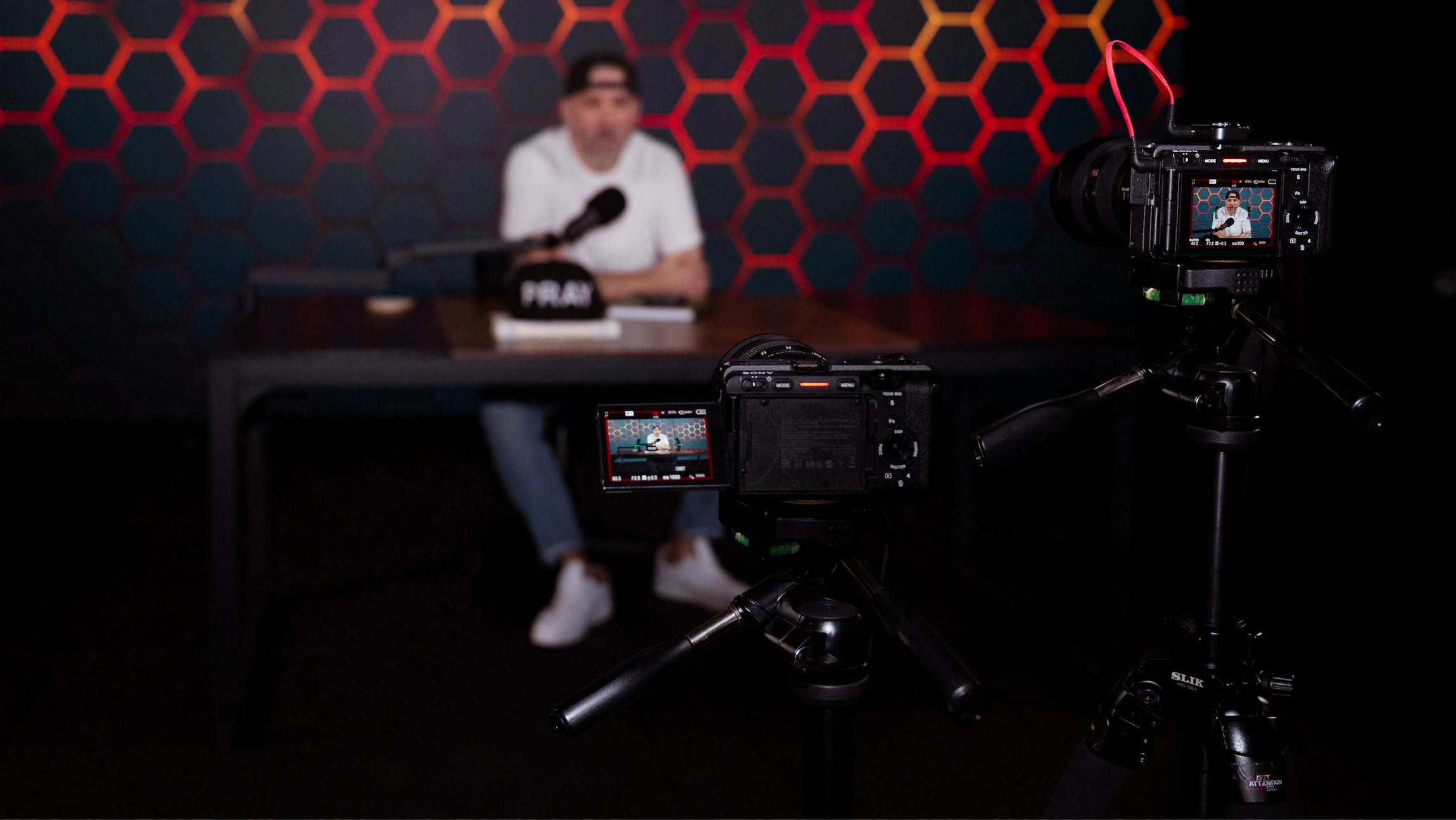
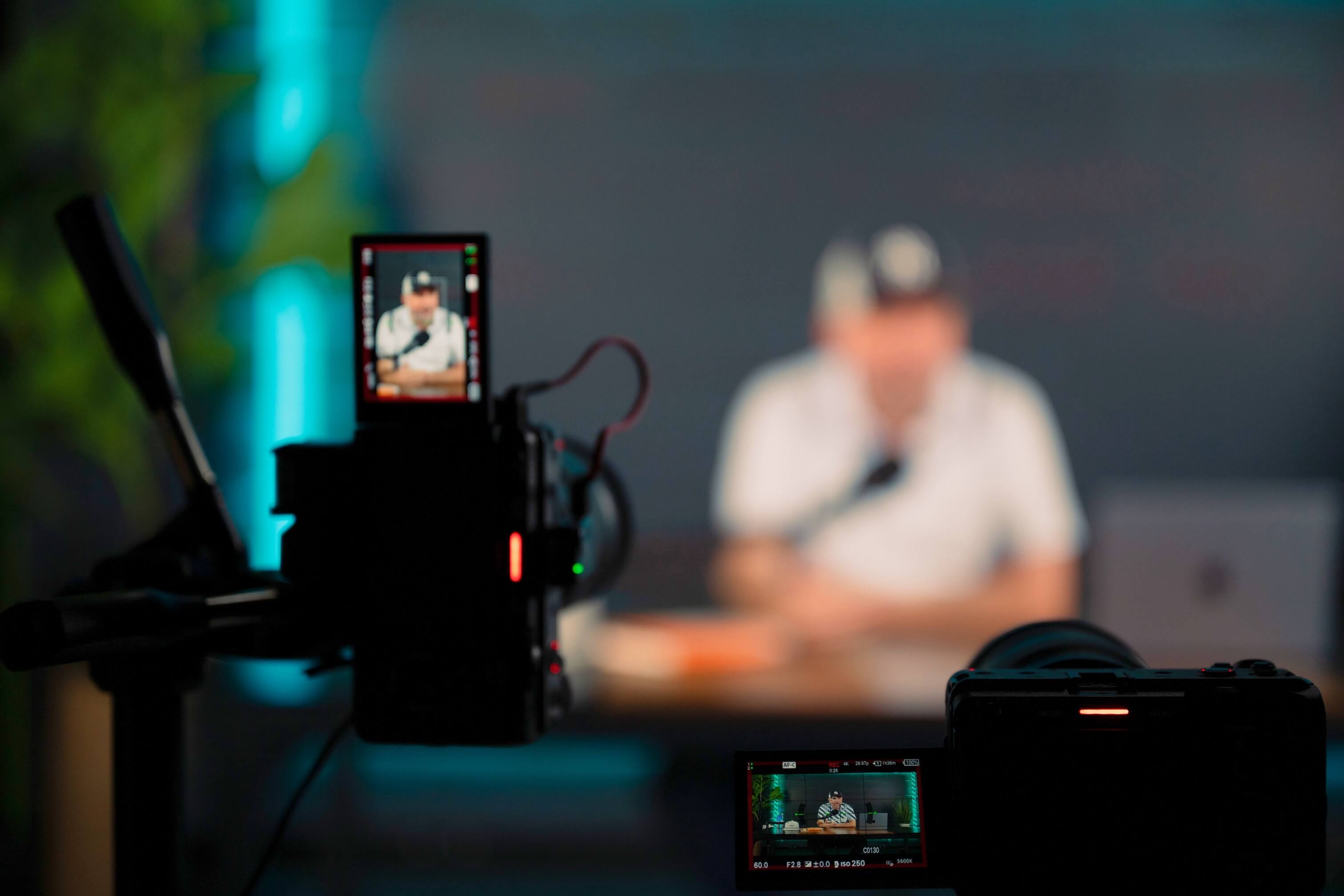
A contact sheet, a wide shot of the set, the conversation before a portrait, and the imperfect moment between takes all provide context. They show that the finished work has a history. They reveal something increasingly difficult to manufacture: continuity between the image and the world around it.
This does not mean every brand needs to turn each production into a documentary. It means the process should no longer disappear completely when the final asset is delivered.
The making of the work can reinforce the work. A short piece of footage showing a real employee in the real environment may do more for credibility than another perfectly polished campaign image. A photographer's notes may help a customer understand why a moment mattered. An outtake may reveal more personality than the selected hero shot. We wrote about this idea in more depth in The Best Content From Our Video Shoot Wasn't the Video.
These materials are not proof in the technical sense, but they create a visible chain of human involvement. And right now, human involvement is becoming part of what people are looking for.
A Photographer Brings More Than a Camera
AI can create the appearance of access. It cannot earn access.
A photographer can build enough trust for someone to lower their guard. She can notice the expression that appears after the planned photograph, understand why one corner of a family business matters to the person who built it, and feel the room change when the right question is asked.
Those are not technical camera skills. They come from attention, judgment, patience, and a relationship with the person on the other side of the lens.
That may be the most important change for photographers and creative teams. Our value cannot rest on producing a clean image. Clean images are abundant. The value is in seeing what someone else would have missed, creating the conditions for something honest to happen, and knowing which moment carries the story.
The photographer's point of view is not an inefficiency to automate away. It is the part that makes the work belong to someone.
Human-Made May Become a Premium Signal
There was a time when "handmade" described the method. Over time, it also became a signal. It suggested care, intention, material knowledge, and a visible connection to the person who made the object.
Human-made visual work may be heading in a similar direction.
That does not make everything created with AI worthless. Human beings are also perfectly capable of making shallow, misleading, or forgettable work. As we explored in Authenticity Is The Competitive Advantage in 2026, original photography and video have become one of the fastest ways to earn attention precisely because so much of what people scroll past now is synthetic.
Human-made will matter because it tells us there was a real encounter behind the image. A person had access, made decisions, and was accountable for what the audience saw.
As synthetic media fills more feeds, brands may begin treating that connection as something worth naming. Photographers may deliver provenance information alongside usage rights. Creative teams may preserve original files and production records. Campaigns may identify the people shown as actual employees or customers. Brands may disclose when an image was generated as a normal part of responsible creative practice.
The ones that do this well will not make transparency feel defensive. They will make it part of the experience.
What Brands Should Begin Doing Now
The practical response is not to panic or draw an impossible line around every use of technology. It is to build better creative habits before audiences and platforms demand them.
Start by preserving original files and the history of meaningful edits. Ask photographers, production partners, and software providers how they handle Content Credentials. Capture a small amount of supporting footage during real shoots. Credit the people who created the work. Get clear permission before using someone's face, voice, or likeness. Set an internal standard for disclosing generative AI, even when a platform does not require it.
Most importantly, do not use artificial people to imply real customer experience.
A synthetic lifestyle image and a fabricated testimonial are not the same creative decision. One helps an audience imagine a scene. The other asks them to believe that trust was earned when it was not.
Brands should know the difference before their customers have to point it out.
The Future of Real Is Not Perfect
The pressure to prove what is real could produce another kind of performance. Brands will be tempted to manufacture imperfection, stage behind-the-scenes moments, and make polished work look accidentally candid.
People will learn to recognize that too.
The answer is not to make everything messier. It is not to lower the standard of the work. Beautiful photography still matters. Craft still matters. A considered frame, thoughtful light, and careful edit still communicate something about how a brand sees the world.
The answer is to stop assuming beauty can carry trust by itself.
Soon, a visually perfect image may be the easiest part of the process. The harder and more valuable part will be showing that the person, place, product, and perspective behind it have a real relationship to one another.
For most of my career, the photograph was the proof.
Now the photograph may need receipts.